
Blog / Estate Planning
Pet Trusts — Taking Care of Your 4-Legged Children
July 5, 2026 • Estate Planning
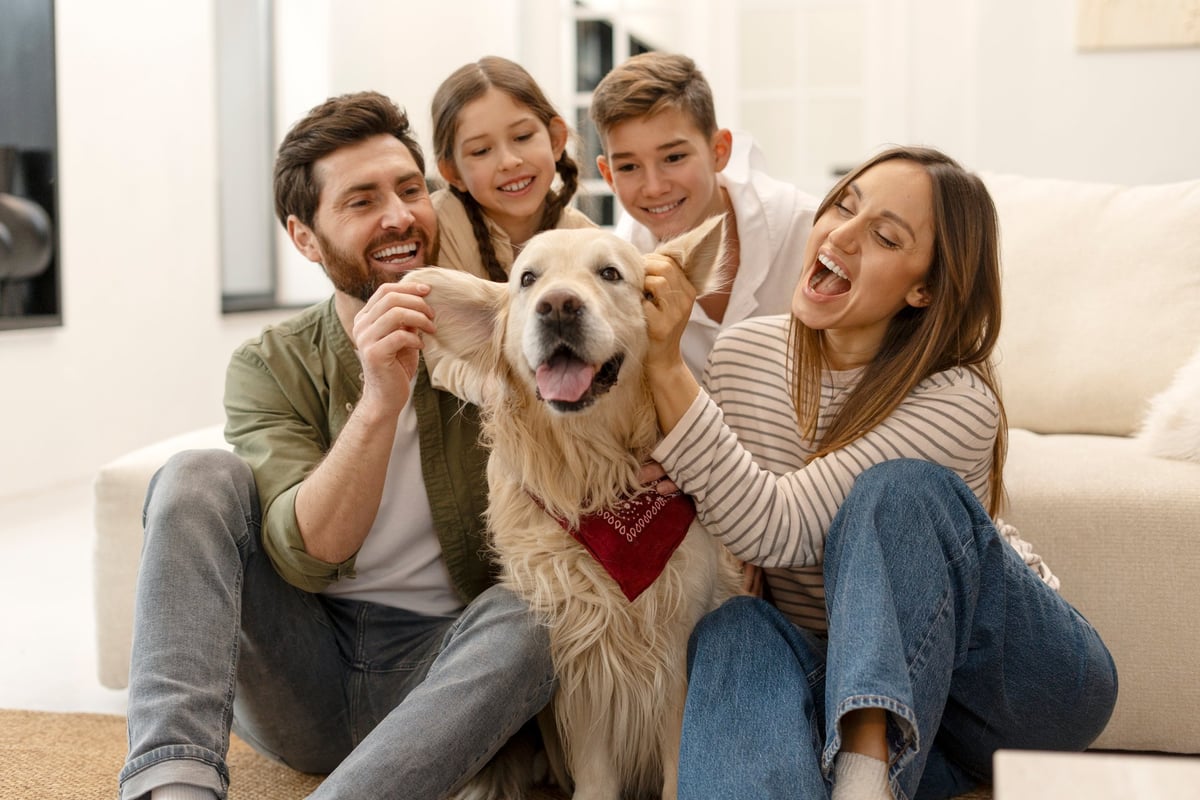
They don't care about your credit score. They've never asked what you do for a living. They greet you at the door like you've been gone for years even when you just took out the trash. Your pets are family — and if something happens to you, they deserve more than a vague hope that someone will step up.
Yet most estate plans completely ignore pets. A will that says "my sister gets the dog" might work. Or it might not — your sister could change her mind, move into a no-pets apartment, or simply not want the responsibility. And if no one steps up, your dog or cat could end up in a shelter.
A California pet trust is the legal tool that prevents that. Here's what it is, how it works, and why it belongs in your estate plan — whether you have one rescue tabby or a whole pack of dogs.
What Is a Pet Trust?
A pet trust is a legally enforceable arrangement that provides for the care of one or more animals after their owner dies or becomes incapacitated. California recognized pet trusts in 2009 under Probate Code § 15212, making it one of the growing number of states that allow enforceable trusts for the benefit of animals.
Here's how it works: you create a trust, name a trustee to manage the money, name a caregiver to take physical custody of your pet, and fund the trust with enough money to cover your pet's lifetime care. The trustee writes checks to the caregiver for food, veterinary care, grooming, boarding — whatever your pet needs. The trustee and caregiver can be the same person, but having different people creates a check-and-balance: the caregiver can't just pocket the money and neglect the animal.
Why a Will Isn't Enough
People sometimes leave pets to a beneficiary in their will. "I leave my dog Max to my brother Steve." Here's the problem: a will doesn't create a legal obligation to actually use the money for the pet. Steve inherits Max — and whatever money you left — but there's nothing legally stopping Steve from dropping Max at the shelter and keeping the cash.
A pet trust is different. The trustee has a fiduciary duty to ensure the money is spent on the animal's care. The caregiver has a legal obligation to care for the animal according to your instructions. If either party fails, they can be removed and replaced — by the court if necessary. Your pet gets protection. The money follows the pet, not the person.
Another problem with wills: probate takes time. Your will has to be admitted to court, an executor appointed, assets gathered — that can take months. Who's feeding Max during those months? A pet trust can take effect immediately. Many pet trusts include a standby caregiver provision: someone with a key to your house and written authorization to take custody of your pets if you're hospitalized or incapacitated.
What Goes Into a California Pet Trust
A well-drafted pet trust answers these questions:
1. Which Animals Are Covered?
Be specific — name each animal, describe them, and include microchip numbers. California allows a pet trust to cover animals living at the time the trust takes effect, and the trust can continue until the last surviving animal dies. You can also include future animals you acquire before your death if the trust language is broad enough.
Pet trusts aren't just for dogs and cats. They can cover horses, birds, reptiles, fish — any animal you consider a companion. California law defines a "domestic or pet animal" broadly. If you have a 30-year-old parrot or a horse that'll live another 20 years, a pet trust is especially important — those animals will likely outlive you.
2. Who Is the Caregiver?
This is the person who takes physical custody of your pet. Choose carefully — and talk to them first. Ask directly: "If something happened to me, would you take my dog?" Don't assume. Name a backup caregiver too, in case the primary person can't or won't serve when the time comes. People move, develop allergies, have children, or simply change their minds.
3. Who Is the Trustee?
The trustee manages the money. They pay the caregiver for expenses — food, vet bills, grooming, boarding, medication. They don't need to live nearby; what matters is financial responsibility. If you name different people as caregiver and trustee, the trustee can require receipts from the caregiver and conduct periodic welfare checks — that structure protects your pet better than handing everything to one person.
4. How Much Money Should You Leave?
This depends on your pet's species, age, health, and expected lifespan. A young, healthy cat might need $2,000/year for 15+ years. An elderly dog with medical conditions might need $10,000/year for only a few years. Factor in:
- Annual veterinary care (checkups, vaccinations, dental)
- Food, treats, and supplements
- Grooming
- Boarding or pet sitting during caregiver travel
- Emergency veterinary care (one serious accident or illness can cost $5,000+)
- End-of-life care and euthanasia
- Burial or cremation
Don't overfund dramatically — a pet trust funded with $500,000 for a single dog invites challenges from human heirs. Fund it appropriately for your pet's realistic needs. You can direct that any remaining money after the pet's death go to a charity, a family member, or back into your main estate.
5. What Are Your Pet's Care Instructions?
This is where you can be as detailed as you want. Write a separate letter of instruction (kept with the trust documents) that covers:
- Brand of food and feeding schedule
- Medications and dosages
- Veterinarian's name and contact information
- Exercise needs and routine
- Behavioral quirks, fears, and preferences
- Groomer, dog walker, or boarding facility contacts
- Burial or cremation wishes
This letter isn't legally binding the way the trust document is, but it gives the caregiver a roadmap for keeping your pet's life consistent. The more you write down, the easier it is for someone to step into your shoes.
Pet Trust vs. Pet Protection Agreement
California also recognizes pet protection agreements — a simpler, contractual approach where you designate a caregiver and provide funds for your pet's care without creating a formal trust. These are faster to set up and less expensive, but they don't offer the same level of enforceability. The caregiver promises to care for the animal, but there's no trustee watching the money and no fiduciary duty.
For most people with one or two pets, a pet protection agreement may be sufficient. For someone with multiple pets, high-value animals (show dogs, breeding animals, horses), or concerns about the caregiver's reliability, a formal pet trust offers stronger protection. A Legal Document Assistant can prepare either document at your direction — you decide which fits your situation.
Can You Include a Pet Trust in Your Living Trust?
Yes — and that's the most common approach. Rather than creating a completely separate trust, you add a pet trust provision to your existing revocable living trust. The same trustee who manages your estate for your human beneficiaries also manages the pet sub-trust. When your pet passes away, any remaining funds in the pet sub-trust flow back into your main trust for distribution to your beneficiaries.
This is cleaner than two entirely separate trusts, and it ensures your pets are provided for in the same document that handles your home, investments, and personal property. If you're creating or updating a living trust, adding a pet provision is straightforward.
What Happens If You Don't Plan?
Without a pet trust or protection agreement, your pet becomes property under California law. Your will or trust might leave the pet to a named person, but as discussed — that person has no legal obligation to care for them. If no one is named, or the named person refuses, your pet goes to whoever the court appoints to handle your estate. That person can surrender the pet to a shelter.
Animal shelters in California take in an estimated 500,000+ animals each year. Some of those are pets whose owners died without a plan. A pet trust costs a fraction of what you spend on your pet over their lifetime — and it's the only way to guarantee they'll be cared for when you can't do it yourself.
Common Questions About Pet Trusts
Can I create a pet trust for multiple pets?
Yes. One trust can cover all of your current pets, and you can specify whether it covers future pets acquired before your death. The trust typically continues until the last surviving covered animal dies.
What if the caregiver can't take my pet when the time comes?
This is why you name a backup caregiver — and ideally, a backup to the backup. The trust document should also specify a process for finding a new caregiver: a designated animal rescue organization, your veterinarian, or a family member who will rehome the pet responsibly.
How much does a pet trust cost to set up?
A standalone pet trust prepared by an attorney typically costs $1,500–$3,000. Adding a pet trust provision to an existing living trust is less. A Legal Document Assistant can prepare a pet trust or pet protection agreement for a flat fee substantially lower than attorney rates — we prepare the documents at your direction, and you decide what provisions to include.
What if I become incapacitated rather than dying?
A well-drafted pet trust takes effect on incapacity, not just death. Include a standby caregiver provision — someone authorized to enter your home and take custody of your pets immediately if you're hospitalized. Without this, your pets could go days or weeks without care while your family sorts things out. Give this person a key and written authorization now, not just in the trust document.
Can I leave money to a pet in my will instead?
You can't leave money directly to a pet — pets are property and can't own property. You can leave money to a person with the hope they'll use it for the pet, but as discussed above, there's no legal enforcement mechanism. A pet trust is the only way to create a binding obligation.
Does a pet trust replace my living trust or will?
No. A pet trust supplements your existing estate plan. It handles one specific concern: what happens to your animals. Your living trust still handles your house, bank accounts, and investments. Your will still catches anything outside the trust. The pet trust is one piece of a complete plan.
They Depend on You — Plan Accordingly
Your dog doesn't know what a trust is. Your cat has never heard of the California Probate Code. They just know you're the one who feeds them, takes them to the vet, and scratches behind their ears in exactly the right spot. They trust you completely — and that trust comes with a responsibility to plan for their future, even when you're not in it.
A pet trust takes an afternoon to set up and costs a fraction of what you'll spend on your pet over their lifetime. It's the difference between your pet spending their remaining years in a loving home — or in a shelter, confused and scared, wondering where you went.
We prepare pet trusts and pet protection agreements at your specific direction — either as standalone documents or as part of a complete living trust package. Because your 4-legged children deserve the same planning as your 2-legged ones.